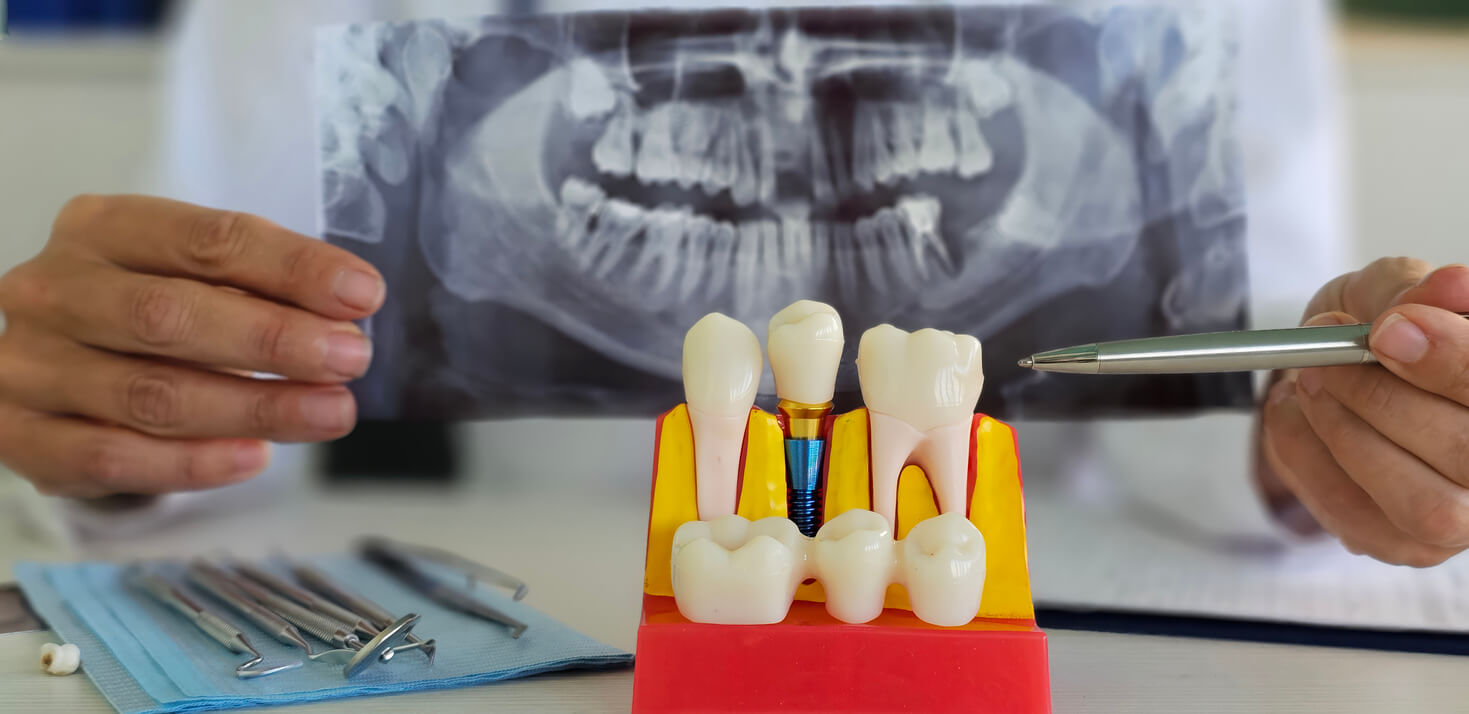
Losing teeth changes more than your smile. It changes how you eat, how clearly you speak, how your bite feels, and sometimes how confident you are in a room full of people. If you are weighing dental implants vs dentures, you are not alone. This is one of the most common conversations we have with patients who want to restore comfort, function, and appearance without guessing their way through the process.
The truth is that both dental implants and dentures can help replace missing teeth, but they work very differently. One option is anchored into the jaw like new tooth roots. The other rests on the gums as a removable solution. For some people, traditional dentures make sense. For others, implant supported dentures or full dental implants offer a stronger long-term answer.
At Solana Smiles & Implant Center, we see patients from Solana Beach, Poway, and throughout the San Diego area who want clear answers, not sales language. This guide breaks down the real differences between dentures vs implants, including comfort, cost, maintenance, bone loss, appearance, and who may be a good candidate for each.
Understanding Dental Implants vs Dentures
When people compare dental implants vs dentures, they are really comparing two different philosophies of tooth replacement. Dentures are prosthetic teeth that replace some or all missing teeth and typically sit on top of the gums. Dental implants are titanium posts placed into the jawbone through a surgical procedure, where they act like artificial roots and support crowns, bridges, or even full-arch restorations.
That distinction matters. Traditional dentures replace visible teeth, but they do not replace the root structure below the gumline. Dental implants stimulate the jawbone in a way traditional dentures cannot. This affects not only chewing and stability, but also bone health, facial structure, and the long-term shape of the jaw.
If you have a few missing teeth, partial dentures may be one option. If you are missing all teeth in an arch, complete dentures, implant supported dentures, or full mouth implants may be considered. The best choice depends on your goals, your current oral health, and whether your jaw has enough bone density for implant placement.
What Are Traditional Dentures?
Traditional dentures are removable appliances designed to replace multiple missing teeth or a full arch of teeth. They can be made as partial dentures when some existing teeth remain, or as complete dentures when all teeth are gone. They are often made from acrylic and other durable materials that mimic gums and artificial teeth.
Many patients choose traditional dentures because the initial cost is usually lower than implants, and the treatment process is generally faster. They do not usually require oral surgery, which can be appealing for patients who want to avoid a more involved procedure. In some situations, removable dentures are a practical short-term or long-term solution.
That said, removable dentures come with tradeoffs. They can shift while eating, create sore spots, and depend heavily on the changing shape of the gums and jaw. Some patients also rely on denture adhesive to improve stability. Over time, as bone resorption continues, dentures fit less securely and often need relining or replacement.
What Are Dental Implants?
Dental implants are small posts, usually made of titanium, that are placed into the jawbone during implant surgery. After healing, they can support crowns, bridges, or implant supported full-arch restorations. In simple terms, they replace both the visible tooth and the root structure beneath it.
Because dental implants integrate with bone, they offer a level of stability that feels much closer to natural teeth. They do not slide across the gums, and they can help patients chew more confidently. For someone tired of loose dentures, mouth dental implants can feel like the difference between balancing on a raft and standing on a dock.
Not all implant treatment looks the same. A single implant can replace one tooth. Multiple implants can support bridges. For patients missing a full arch, implant supported dentures or full mouth implants can provide a more secure alternative to traditional dentures. In many cases, dental implants and dentures are not opposing categories at all. They can work together.
Dental Implants Pros and Cons
Let’s start with the upside. One of the biggest dental implants pros is stability. Because implants are anchored in the jaw, they provide superior stability compared with removable dentures. That stability improves chewing, speech, and confidence. Many patients say implant-supported teeth feel more like real teeth than any removable appliance ever did.
Another major benefit is bone preservation. After tooth loss, the jawbone starts to shrink because it no longer receives stimulation from the roots. Dental implants stimulate the bone during chewing, which can reduce gradual bone loss, support jawbone health, and help preserve facial structure. This matters aesthetically too. Bone shrinkage can change the lips, cheeks, and facial muscles, making the face appear older over time.
The downside is that dental implants do require surgery. The process includes an oral examination, imaging, treatment planning, and a healing period after implant placement. Some patients may need bone grafting if there is significant bone loss or low jawbone density. The initial cost is also higher, which leads some patients to hesitate even when implants may be the better long-term fit.
Dentures Pros and Cons
The biggest advantage of dentures is accessibility. Traditional dentures usually have a lower initial cost, and they can often be made more quickly than implants. For patients who want to restore appearance after extensive tooth loss without waiting through a surgical healing phase, complete dentures or partial dentures may offer a practical path.
Dentures also do not always require surgery, which can be a major deciding factor for some patients. If your health history, schedule, or personal preferences make surgery less appealing, removable prosthetics may still provide a useful way to replace missing teeth.
But there are limits. Traditional dentures can slip, click, or rub. They may affect speech and make certain foods difficult to eat. They can also contribute to ongoing bone loss because they do not replace the tooth roots. As the jaw changes shape, the fit changes too. That is why so many patients eventually ask about dentures and implants after years of frustration with loose appliances and repeated adjustments.
Bone Loss, Bone Density, and Facial Structure Matter More Than People Realize
One of the most important differences in dental implants vs dentures comes down to what happens below the gums. When teeth are lost, the body begins to reabsorb bone in the area. This process, called bone resorption, can lead to jawbone deterioration, changes in jaw shape, and a less stable foundation for future restorations.
This is where dental implants vs dentures becomes more than a comfort issue. Dental implants support bone preservation because they transfer chewing force into the jawbone. That mechanical stimulation helps maintain bone health and can encourage healthier bone growth patterns. By contrast, traditional dentures rest on top of the gums and do not prevent gradual bone loss.
Over time, this affects appearance too. The loss of support in the jaw can alter the lips and cheeks, contributing to a sunken look in the lower face. Preserving the jaw structure helps support a fuller, more natural-looking smile. For patients concerned about long-term aesthetics, facial structure is not a small detail. It is part of the whole picture.
Implant Supported Dentures: A Middle Ground Many Patients Love
For patients torn between dentures vs implants, implant supported dentures can be an excellent compromise. These restorations combine the broader coverage of dentures with the anchoring power of implants. Instead of resting only on the gums, implant supported dentures attach to strategically placed implants in the jaw.
This makes a dramatic difference in stability. Implant supported restorations are less likely to shift while eating or speaking. Many patients find that implant supported dentures reduce the need for denture adhesive, improve comfort, and make daily life far less stressful. You are not wondering whether your teeth will move when you laugh, bite into a sandwich, or speak in a meeting.
There are different styles of implant supported dentures. Some are removable for cleaning. Others are fixed and can only be removed by the dental team. Depending on your needs, implant supported treatment may involve two, four, or more implants per arch. For some patients, this option provides the right balance of function, support, and value.
Dentures vs Implants for a Few Missing Teeth
If you only have a few missing teeth, the conversation changes a bit. In these cases, partial dentures, implant-supported bridges, or individual dental implants may all be on the table. Partial dentures can fill gaps, but they may use metal clasps that attach to remaining teeth, and some patients dislike the feel or appearance.
A single implant or implant-supported bridge may offer a more natural solution because it avoids placing extra stress on surrounding teeth. Unlike some fixed bridges, an implant does not necessarily require reshaping healthy adjacent teeth. That can be an important advantage for preserving long-term dental health.
When comparing implants vs partial dentures, think about daily comfort and long-term value, not just speed. A removable appliance may solve the immediate problem, but a more stable tooth replacement option may better support chewing, confidence, and maintenance over time.
The Treatment Timeline: What to Expect
The treatment timeline for traditional dentures is usually shorter. After impressions and fittings, patients can often receive their appliance relatively quickly. This makes complete dentures or partial dentures appealing when fast restoration is a priority.
The timeline for dental implants is longer because implant surgery and healing are part of the process. After an oral examination and planning appointment, the implants are placed through a carefully guided surgical procedure. Then the bone needs time to integrate with the implant. In some cases, temporary teeth can be worn during healing.
If bone grafting is needed because of significant bone loss, the process may take longer. Still, many patients feel the extra time is worth it because the result is more secure, more functional, and better for long term oral health. The right timeline depends on your anatomy, goals, and whether you are considering single implants, bridges, or implant supported dentures.
Dental Implants Cost vs Denture Cost
It is impossible to talk honestly about dentures and dental implants without discussing money. Dental implants cost more upfront than traditional dentures. That is true. The planning, materials, imaging, surgery, and restoration all add to the overall investment.
But the bigger question is value over time. Traditional dentures may need relines, adjustments, repairs, and eventual replacement as the jaw changes. Patients may also spend money on denture adhesive, denture cleanser, and maintenance related to wear and shifting fit. While the initial cost is lower, the long-term picture is not always as simple as it first appears.
With implants, the higher initial cost often buys greater stability, stronger function, and less dependence on removable appliances. When discussing dental implants cost, it helps to compare not just today’s number, but the likely future of maintenance, comfort, and oral function. A good implant dentist will walk you through those tradeoffs clearly.
Who Is a Better Candidate for Dentures and Implants?
Choosing between dentures and implants is not just about preference. It is also about anatomy and health. A patient with advanced gum disease, active infection, or major untreated dental issues may need treatment before either option can move forward. Healthy gums and a stable foundation matter.
For dental implants, adequate bone density, good overall health, and a commitment to proper care are important. Some patients with low jawbone density can still qualify after grafting or with alternative treatment plans. A thorough oral examination helps determine whether implant placement is possible and what type of restoration makes the most sense.
For dentures, candidacy is often broader, especially for patients who want to avoid a procedure that would require oral surgery. That said, patients with severe ridge shrinkage from bone loss may struggle with fit and retention. In those cases, implant supported options may actually provide better results than standard removable dentures.
Proper Care for Dentures and Dental Implants
Both options require maintenance. Dentures should be cleaned daily and handled carefully. Patients should use the right tools, including a non-abrasive denture cleanser, and follow instructions for storage and hygiene. Even false teeth need regular attention, and routine dental visits still matter.
Dental implants also require proper care. They are not immune to problems if oral hygiene is neglected. Brushing, flossing, and professional cleanings are still essential for protecting the gums and supporting long-term success. Gum disease around implants can threaten the surrounding tissues, so ongoing care is non-negotiable.
Whether you choose traditional dentures, implant supported dentures, or fixed implant restorations, your daily habits matter. The best dentistry in the world still depends on the patient doing the small, steady work at home.
Choosing Dental Implants or Dentures in San Diego
For many patients in Solana Beach, Poway, and the greater San Diego area, the decision comes down to lifestyle. Do you want the lower upfront cost and faster process of traditional dentures? Or do you want the long-term stability, natural appearance, and bone support that often come with choosing dental implants?
There is no one-size-fits-all answer. Some patients do beautifully with complete dentures. Others are much happier with implant supported dentures because they want superior stability without the looseness of a removable appliance. Still others are ideal candidates for individual implants, bridges, or full mouth implants.
The best next step is a personalized evaluation. A truly unique dental plan should take into account your missing teeth pattern, gum condition, bite, jawbone health, cosmetic goals, and budget. Good treatment planning is not about pushing one option. It is about matching the right solution to the real person sitting in the chair.
Final Thoughts on Dental Implants vs Dentures
When comparing dental implants vs dentures, think beyond the obvious. Think about chewing steak, not just smiling for photos. Think about whether you want something removable or anchored. Think about bone loss, comfort, speech, maintenance, and how you want your teeth to feel five or ten years from now.
In the debate over dentures vs implants, both options can restore a smile. But they do not restore it in the same way. Traditional dentures may be practical and cost-effective. Dental implants may offer stronger function, better support for the jaw, and a result that feels closer to natural teeth. Implant supported dentures sit right in the middle and are often a smart solution for patients who want more security without going fully fixed.
If you are exploring dental implants and dentures and want expert guidance, Solana Smiles & Implant Center is here to help. Our team provides advanced, patient-centered care with modern technology and a clear focus on long-term results. If you are ready to replace missing teeth and find the right tooth replacement option for your smile, schedule a consultation and let’s talk through your options together.