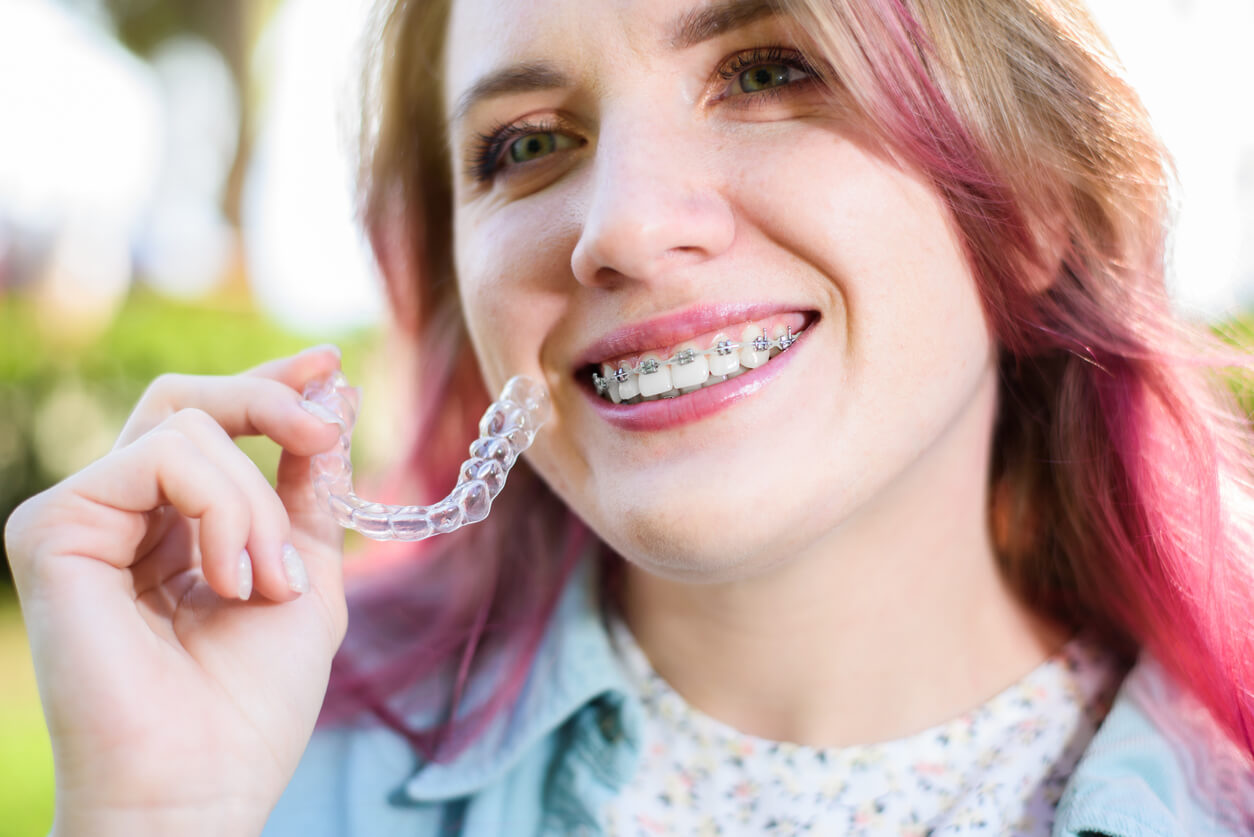
If you are comparing clear aligners and braces, the honest answer is this: one is not automatically better than the other. The better option depends on your bite, how much tooth movement you need, your daily habits, and what kind of treatment experience you want.
For many adults and teens, clear aligners are appealing because they are discreet, removable, and easier to fit into daily life. Braces, on the other hand, are still one of the most reliable tools in orthodontics, especially for more complex cases or for patients who do better with a treatment that stays in place full time.
That is why the real question is not simply, “are clear aligners better than braces?” It is, “which option will get me the healthiest, most stable result with the least friction in my life?” At Solana Smiles & Implant Center, that decision starts with a close look at your teeth, your bite, and your goals, not a one-size-fits-all sales pitch.
The Short Answer: Sometimes Yes, Sometimes No
Clear aligners can absolutely be better than braces for the right patient. If your teeth are mildly to moderately crowded, spaced, or slightly misaligned, aligners may offer a smoother treatment experience with less visual impact. They are popular with professionals, college students, and adults who want orthodontic treatment without the look of brackets and wires.
But braces can be better when tooth movement is more complicated, when the bite needs significant correction, or when compliance is likely to be an issue. Aligners only work if you wear them as directed. If they spend more time in a napkin at lunch than in your mouth, treatment can stall. Braces remove that variable because they are always on the job.
Think of it this way: clear aligners are like a sleek electric car, quiet, modern, efficient, and excellent under the right conditions. Braces are more like a heavy-duty truck, less subtle, but incredibly dependable when the terrain gets rough.
How Clear Aligners Work
Clear aligners use a series of custom-made trays to gradually move your teeth. Each set is designed to make small, controlled changes over time. You wear the trays for most of the day, switching to the next set on a schedule recommended by your dentist.
Because they are removable, aligners let you eat normally and brush and floss without trying to navigate around brackets and wires. That convenience is a major reason many patients choose systems like SureSmile clear aligners. The trays are also transparent, so from conversational distance, most people will not notice them.
That said, removable treatment comes with responsibility. For aligners to work predictably, they generally need to be worn 20 to 22 hours a day. Not “most days.” Not “except weekends.” Consistency matters. Teeth do not respond well to mixed signals.
How Braces Work
Braces use brackets, wires, and sometimes elastics to move teeth into better alignment. Because they are fixed in place, they apply continuous pressure and allow for highly precise tooth movement. This makes them a strong option for more involved orthodontic cases.
Braces have been around for a long time for a reason: they work. Modern braces are more comfortable and less bulky than older versions, and they can address issues like severe crowding, rotated teeth, major bite discrepancies, and more complex movement patterns.
The tradeoff is visibility and maintenance. Food can get trapped around brackets. Brushing and flossing take more effort. Wire adjustments can cause soreness. For some patients, that is a small price to pay for a treatment approach that is extremely effective and less dependent on day-to-day discipline.
When Clear Aligners May Be Better Than Braces
For the right person, clear aligners can feel like orthodontics designed for real life. You take them out to eat, remove them for photos or important meetings, and clean your teeth with your normal routine. There is no wire poking your cheek halfway through dinner and no popcorn kernel staging a long-term protest around a bracket.
Aligners may be the better choice if you value aesthetics, flexibility, and easier oral hygiene. Adults who work in client-facing roles often prefer them because they are subtle. Patients who are committed and organized also tend to do well with aligners because they can stay on schedule and wear their trays consistently.
Clear aligners may be a strong option for:
- Mild to moderate crowding
- Small gaps between teeth
- Minor bite issues
- Relapse after previous orthodontic treatment
- Patients who want a less noticeable treatment option
- Patients who are motivated to follow wear instructions carefully
Another advantage is comfort. While all orthodontic treatment involves some pressure, aligners usually do not have metal components that rub against the lips and cheeks. Many patients describe the sensation as snug or tight rather than sharp or irritating.
When Braces May Be Better Than Clear Aligners
Braces often make more sense when the case is more complex or when precision and control are especially important. If teeth need major rotation, vertical movement, or substantial bite correction, braces may provide more predictable mechanics.
They are also often better for patients who may struggle with compliance. Younger teens, busy adults, or anyone who knows they are likely to forget trays on a restaurant table should be honest about that upfront. There is nothing wrong with choosing the option that matches your habits. In fact, that honesty can save months of frustration.
Braces may be recommended for:
- Severe crowding
- Significant overbite, underbite, or crossbite issues
- Teeth that are heavily rotated
- Cases requiring more complex movement
- Patients who do not want the burden of remembering to wear aligners
- Situations where treatment needs close mechanical control
Sometimes patients come in hoping aligners can fix everything because they have seen polished before-and-after photos online. But orthodontics is not a filter. Teeth move through bone, gums, bite forces, and biology. The best treatment is the one that respects all of that.
Appearance: The Category Clear Aligners Usually Win
If appearance is your top concern, clear aligners usually have the advantage. They are difficult to notice, especially in professional or social settings. For adults who have put off treatment for years because they do not want a mouth full of metal, aligners can be the difference between delaying care and finally moving forward.
Braces are more visible, even though many patients wear them confidently. There is nothing wrong with braces aesthetically, but they do make treatment obvious. Some people do not care at all. Others care deeply. That preference matters because the treatment you feel good about is often the one you are more likely to stick with.
Comfort: Aligners Often Feel Easier, but Not Effortless
Many patients find clear aligners more comfortable overall. There are no brackets to irritate soft tissue, and no wire adjustments creating sore spots. The pressure from a fresh set of trays can make teeth feel tender for a day or two, but that discomfort is often manageable.
Braces can involve more irritation, especially early on or after adjustments. Wax helps, and most patients adapt, but there is typically more friction with the cheeks and lips. It is the difference between wearing a fitted glove and carrying a tool belt: both can get the job done, but one is easier to forget about.
Still, aligners are not pain-free. If your trays are moving teeth effectively, you will feel it. That pressure is part of the process. The advantage is usually fewer sharp edges and less day-to-day irritation.
Eating and Oral Hygiene: Clear Aligners Have a Practical Edge
This is one of the biggest reasons adults prefer aligners. Because you remove them to eat, there are no restrictions on crunchy, sticky, or chewy foods. You can eat salad, apples, steak, popcorn, and crusty bread without worrying about snapping a bracket off.
Oral hygiene is also much simpler with aligners. You brush and floss as usual, then put the trays back in. With braces, cleaning requires more time and patience. It can absolutely be done well, but it is more work. Plaque has more places to hide around brackets and wires, which can increase the risk of decalcification or gum irritation if home care slips.
For patients already managing gum sensitivity or trying to protect previous dental work, easier hygiene can be a meaningful advantage.
Treatment Time: Not Always Shorter, Not Always Longer
A lot of people assume clear aligners are faster than braces. Sometimes they are. Sometimes they are not. Treatment time depends more on the complexity of the case and patient compliance than on marketing promises.
If a patient wears aligners exactly as instructed, treatment can move efficiently. But if trays are worn inconsistently, progress slows down. Braces may take a similar amount of time, but because they are fixed, there is less room for user error.
In other words, aligners can be faster in disciplined hands. Braces can be faster in real-world hands that are busy, distracted, or just human.
Cost: The Numbers Can Be Closer Than People Expect
Patients often ask whether clear aligners are more expensive than braces. The answer varies based on the complexity of treatment, length of care, and the type of system being used. In many practices, the cost difference is not dramatic.
What matters more is value. If aligners fit your lifestyle and help you complete treatment successfully, they may be worth every penny. If braces are more appropriate for your bite and reduce the chance of delays or refinements, they may be the smarter investment.
The cheapest plan is not always the least expensive in the long run if it does not deliver a stable result.
Are Clear Aligners as Effective as Braces?
For mild to moderate orthodontic issues, clear aligners can be very effective. In many cases, they can deliver excellent cosmetic and functional results. They are not a gimmick. They are a legitimate orthodontic tool when used for the right case and monitored properly.
But they are not universally equal to braces in every scenario. Some movements are simply easier or more predictable with fixed appliances. That is why a proper evaluation matters. Good orthodontic treatment is not about forcing every patient into the same system. It is about matching the tool to the job.
An experienced provider will look at more than whether your front teeth appear crooked in photos. They will consider your bite, jaw relationship, gum health, restorations, wear patterns, and long-term stability. Straight teeth are great. Straight teeth that function well are better.
What Adults in Coastal North County and Greater San Diego Often Care About Most
In communities like Solana Beach and Poway, many adult patients are balancing work, family, social events, and health goals all at once. They want treatment that is effective, but they also want something that fits into a full calendar and does not make everyday life harder than it needs to be.
That is one reason clear aligners are such a common conversation. For adults who spend time in meetings, on video calls, or out in the community, subtle treatment can be a real advantage. At the same time, many patients also want to know that if their case is better suited for braces or another approach, they are getting straightforward guidance instead of a trendy answer.
The best dental care is not about selling what is popular. It is about recommending what will actually serve the patient well.
Questions to Ask Before Choosing Aligners or Braces
Before you commit to treatment, ask questions that go beyond appearance. Cosmetic appeal matters, but it should not be the only factor driving your decision.
Useful questions include:
- How complex is my case?
- Will aligners give me the same result as braces?
- How long will treatment likely take?
- What happens if I do not wear my aligners enough?
- How will this affect my bite, not just the look of my teeth?
- What kind of retention will I need after treatment?
- Are there any concerns related to gum health, restorations, or tooth wear?
These questions help shift the conversation from “What looks easiest?” to “What gives me the healthiest, most predictable outcome?” That is a much better lens.
So, Are Clear Aligners Better Than Braces?
Sometimes, yes. For patients with the right orthodontic needs, the discipline to wear them properly, and a desire for a discreet treatment option, clear aligners can be an excellent choice. They are convenient, subtle, and often easier to live with day to day.
But braces are still the better option in many situations, especially when treatment is more complex or compliance may be inconsistent. They remain one of the most reliable ways to move teeth with precision and control.
The smartest next step is not guessing based on a friend’s experience or a social media ad. It is getting a professional evaluation from a team that can look at your smile as a whole, function, aesthetics, comfort, and long-term health included.
If you are considering SureSmile clear aligners or want to know whether braces would be more effective for your case, Solana Smiles & Implant Center can help you weigh the options with clarity. The goal is not just straighter teeth. It is a smile that feels natural, functions well, and gives you confidence every time you share it with the world.