If you are thinking about veneers, one question usually shows up early: can veneers be removed if you change your mind later? The short answer is yes, veneers be removed by a dentist. But the more important answer is this: what happens next depends on the kind of veneer you have, how much enamel was adjusted during the initial placement, and the condition of your natural teeth.
For many patients, veneers feel like a big leap because they sit right at the intersection of health, confidence, and appearance. You are not just changing your smile. You are making a long term commitment to the look and maintenance of your front teeth. At Solana Smiles & Implant Center, patients in Solana Beach, Poway, and across the San Diego area often ask this before moving forward with cosmetic treatment, and it is a smart question to ask.
Can Veneers Be Removed?
Yes, dental veneers can be taken off. A skilled dentist can use specialized tools to break down the bonding material and carefully lift the veneer away from the tooth underneath. That said, removal does not always mean going back to exactly how your natural teeth looked before.
That is the part many patients do not realize. Most traditional veneers and many porcelain veneers require some enamel removal or light grinding so the veneer can sit naturally and not look bulky. Since natural enamel does not grow back, the treatment is usually not fully reversible. So while the veneers themselves can come off, the underlying tooth structure may still need protection with new veneers, crowns, or another restoration.
Why Veneers Usually Aren’t Considered Fully Reversible
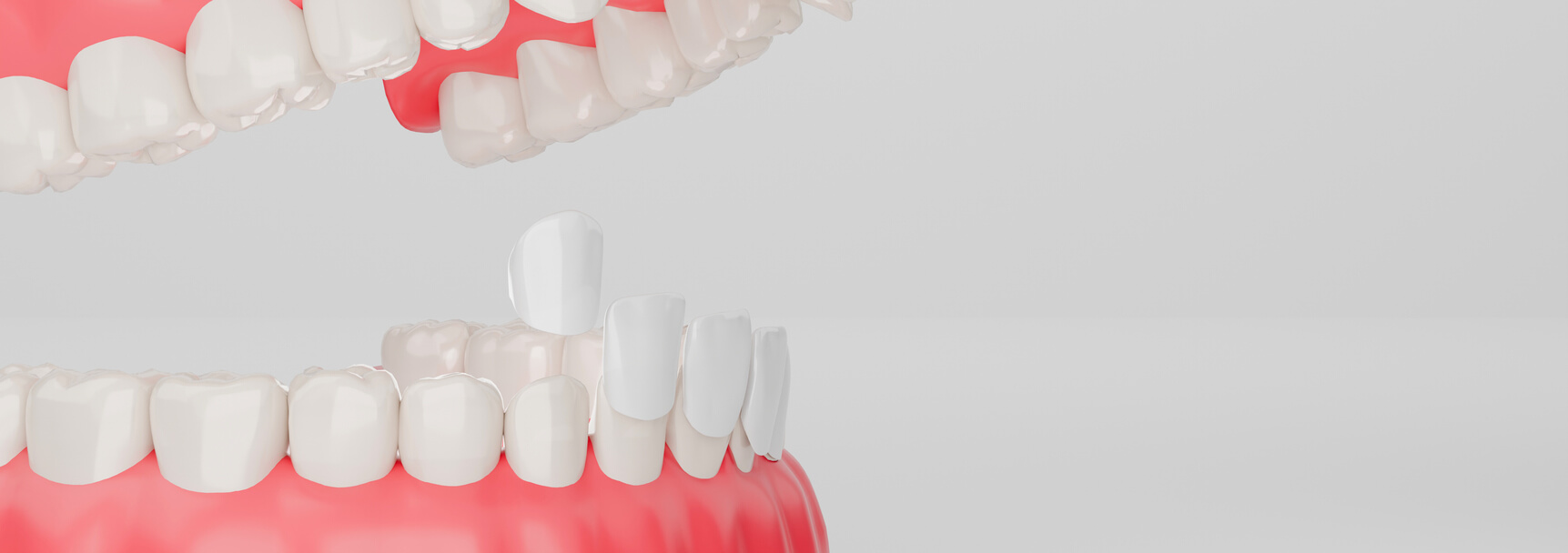
Think of a veneer like a custom shell built for a very specific tooth. To make room for that shell, your cosmetic dentist may reshape a thin layer of enamel. Once that happens, your natural teeth are changed permanently, even if only slightly.
This is why many permanent veneers are considered a long term solution and also a long term commitment. If you later decide you do not want them anymore, your dentist can remove them, but your teeth will usually still need some kind of coverage. Without that protection, the tooth underneath may look uneven, feel sensitive, or appear smaller than the surrounding teeth.
The Difference Between Porcelain Veneers, Composite Veneers, and No Prep Veneers
Not all veneers work the same way, and that matters when patients ask, can veneers be removed safely. Porcelain veneers are one of the most popular options because they are durable, highly aesthetic, and stain resistant. They are often made from porcelain or other advanced ceramic veneers materials that mimic the way natural teeth reflect light.
Because porcelain veneers are bonded strongly and often involve some reshaping of the tooth, their removal is usually part of a veneer replacement plan rather than a return to bare teeth. In other words, old ones come off and new veneers go on. That is the usual path when old veneers chip, age, or no longer match the patient’s goals.
Composite veneers are different. They are made from tooth-colored resin and can sometimes be more conservative. In some cases, less grinding is needed. That can make them a little more reversible, depending on the case, but not always. Bonded resin still changes the surface of the tooth and still relies on careful bonding.
Then there are no prep veneers or prep veneers with minimal reduction. These may preserve more natural enamel, which can make future changes easier. But “no prep” does not mean “no consequences” in every case. Some teeth still need contouring, and some patients are not ideal candidates. A good dentist looks at bite, spacing, gum line, and facial proportions before recommending any veneer style.
What Happens During the Removal Process?
The removal process is delicate. This is not like peeling off a sticker. Veneers are attached with a durable bonding agent designed to hold up against daily chewing, temperature changes, and years of wear. To remove them, a dentist often uses magnification and specialized tools to separate the veneer from the tooth while preserving as much healthy structure as possible.
Depending on the case, local anesthesia may be used to keep the patient comfortable. The procedure is typically straightforward, but it requires precision. A rushed or careless approach can damage the remaining enamel, irritate the gums, or affect the shape of the prepared tooth.
Once the veneer is off, your dentist will evaluate the underlying tooth structure. If the tooth was reshaped during the initial placement, it will usually need a new restoration. Some patients wear temporary veneers while the final plan is being completed. These temporary veneers help protect the prepared teeth and let you function comfortably while your final replacement is being made.
Why Someone Might Want Veneer Replacement
There are plenty of reasons patients ask about veneer replacement. Sometimes old veneers simply reach the end of their lifespan. Sometimes the patient wants a brighter look, a better shape, or a more natural contour. Sometimes the issue is functional, not cosmetic.
For example, old veneers may develop small chips, edge wear, or visible stain near the margins. If the veneer meets the natural tooth in a way that becomes noticeable, patients may see dark lines or uneven color near the gums. In other cases, a loose veneer can happen if the bonding weakens over time.
A veneer can also be replaced if there is decay, a cavity, or hidden leakage around the edges. This is one reason regular exams matter. If bacteria get under a veneer, the tooth may need treatment before any new veneers are placed. The veneer itself may look fine from the front while trouble is quietly building at the margin.
Can You Go Back to Your Natural Teeth After Veneers?
Sometimes patients ask if they can remove veneers and just keep their natural teeth. In very limited cases, especially with no prep veneers or extremely conservative prep veneers, that may be possible. But for most patients with porcelain veneers, the answer is no, not comfortably or attractively.
That is because the prepared teeth are usually altered to fit the veneer. Once the veneer is gone, the tooth underneath may appear smaller, rougher, or more sensitive. The natural enamel has already been adjusted. So while the veneer can be removed, the tooth usually needs another restoration to restore its appearance and protect it from temperature sensitivity and everyday wear and tear.
This is why honest planning matters before treatment begins. Veneers can be life-changing in a good way, but they are not something to choose like a new paint color and casually undo next season.
How Long Do Veneers Last Before They Need to Be Replaced?
Patients often ask, how long do veneers last? It depends on the material, bite forces, oral habits, and home care. Porcelain veneers often last 10 to 15 years or longer, while resin options may have a shorter lifespan. Even excellent work is still subject to time, pressure, and daily use.
Eventually, most veneers replaced over the years are not failing dramatically. They are just aging. The edges may show stain, the fit may change as gums recede, or the overall color may no longer match nearby teeth. Gum recession can expose the margin and make even beautifully done veneers look older.
That is one reason patients should understand that veneers need to be replaced eventually. They are durable, but they are not forever. If you are choosing veneers, think of them as a strong long term solution, not a one-time fix you never revisit.
Signs It May Be Time to Replace Veneers
A few signs should prompt a visit with your dentist. One is a loose veneer, even if it is only moving slightly. Another is visible chipping, cracking, or changes in bite comfort. Sensitivity around one veneered tooth can also be a clue that something underneath needs attention.
Aesthetic changes matter too. If you notice dark lines, visible edges, a mismatch in color, or discolored teeth around older restorations, it may be time to discuss veneer replacement. Sometimes the issue is not the veneer itself but the neighboring tooth structure, especially if gums recede and expose more of the tooth near the root.
Patients with clenching or grinding may also see more wear. In those cases, a night guard can help protect both veneers and natural teeth. If you already have veneers and do not wear a night guard despite grinding, that can shorten the life of your restoration.
What About Temporary Veneers?
Temporary veneers are often used between preparation and final placement. They are not designed to be your forever result, but they play an important role. They protect the teeth, maintain appearance, and let patients test the feel and general look before the final procedure is complete.
If a patient is nervous about committing, temporary veneers can also provide a useful preview. They do not answer every question, but they can help someone understand how length, contour, and bite feel in daily life. That can be especially helpful for people who have had discolored teeth, uneven spacing, or worn edges for years and are trying to picture a different smile.
How to Make Veneers Last Longer
Good veneers still need good habits. That means brushing carefully, keeping up with professional cleanings, and using proper flossing technique around the margins. It also means addressing issues like clenching, bite imbalance, and inflammation before they become expensive problems.
Healthy gums are especially important. If gum disease develops or gums become chronically inflamed, the margin of the veneer can become more visible and the support around the tooth can weaken. As gums recede, patients may notice more root exposure, changes in symmetry, or a visible line where the veneer ends.
Avoiding bad habits matters too. Using your front teeth to open packages, chewing hard ice, or biting pens is a fast way to create chips and fractures. Veneers are strong, but they are not indestructible. Like a finely made ceramic plate, they perform beautifully when used correctly and fail quickly when treated like a toolbox.
Are Veneers the Right Choice for Everyone?
Not always. Some patients are better candidates for whitening, bonding, orthodontics, crowns, or even dental implants if a tooth is missing or structurally compromised. Veneers are a cosmetic treatment, but they still have to work with your bite, oral health, and long-term goals.
An experienced dentist will look at more than color. They will assess enamel, gum levels, habits, and whether the patient wants subtle refinement or a dramatic change. They will also explain whether the case calls for new veneers, conservative reshaping, or another option entirely.
That conversation matters because many patients come in asking for veneers when what they really want is confidence. Veneers can absolutely help create a beautiful smile, but the right treatment is the one that fits the person, not just the trend.
If You Change Your Mind, Talk to a Dentist Before Doing Anything Else
If you have veneers now and are unhappy with them, do not try to ignore the problem and do not wait until one breaks. Whether you are dealing with old veneers, a loose veneer, color mismatch, or discomfort, the safest next step is an evaluation. A dentist can tell you whether the veneers should be adjusted, repaired, or replaced.
If you are still in the decision stage and asking, can veneers be removed, that is actually a good sign. It means you are thinking ahead. Veneers can transform a smile in a way that looks polished, natural, and confident, but they should be chosen with open eyes. In most cases, yes, veneers be removed. But because enamel is often altered, the real-world answer is usually removal followed by replacement.
For patients in Solana Beach, Poway, and the greater San Diego area, that is where a thoughtful consultation makes all the difference. The goal is not just to place veneers. The goal is to create a result that looks right, feels right, and still makes sense years from now when those old veneers may someday need veneer replacement or new veneers.
In the end, veneers are less like a temporary accessory and more like tailored architecture for your smile. Beautiful when planned well. Frustrating when rushed. If you are considering them, or wondering whether to replace veneers you already have, a personalized conversation with the right dentist is the smartest place to start.