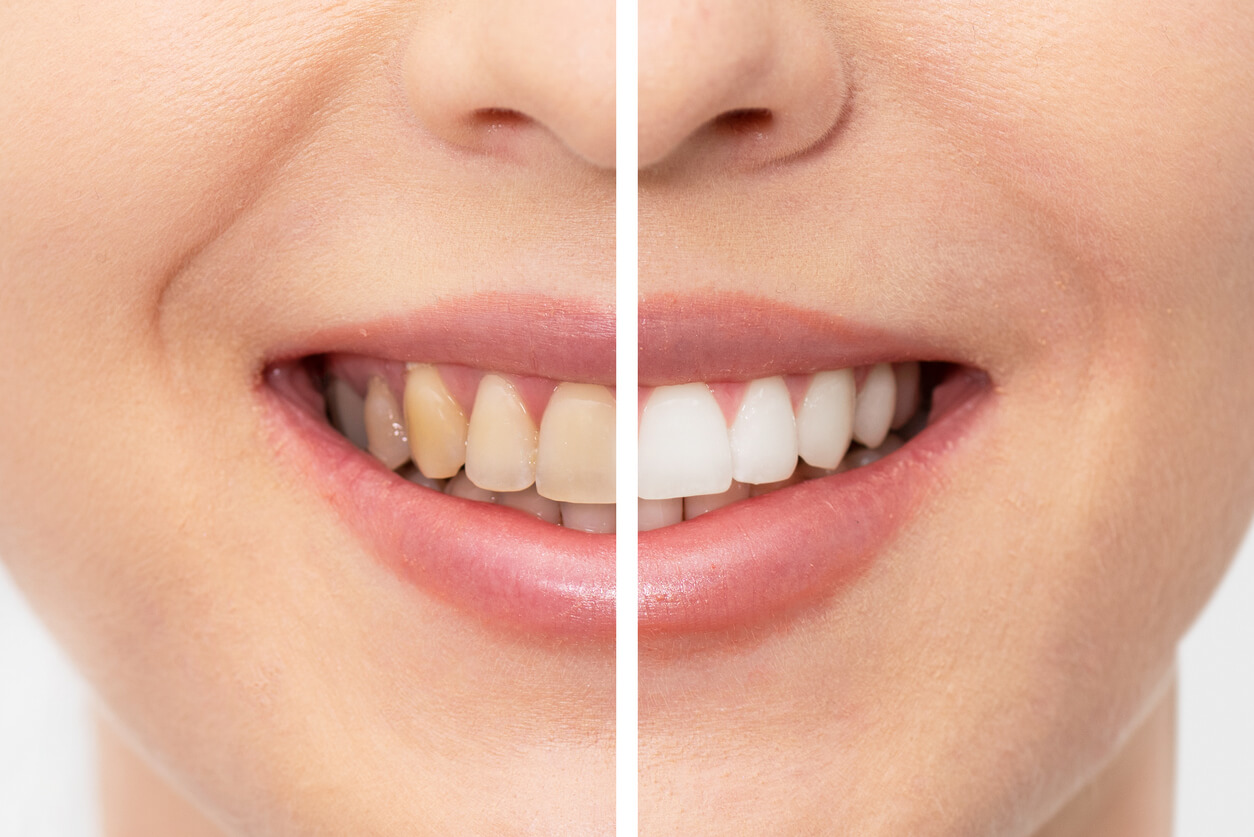
A brighter smile can make a real difference in how you look and how you feel. It can freshen your appearance, boost confidence in photos, meetings, and social events, and help your smile look healthier overall. One of the most common questions people ask before starting treatment is simple: how long does teeth whitening last?
The honest answer is that teeth whitening is not permanent, but it can last a meaningful amount of time with the right approach. For some people, results stay noticeable for several months. For others, professional whitening results can last one to three years, especially when they keep up with good habits and occasional touch-ups. The exact timeline depends on the whitening method used, your diet, your oral hygiene, and the natural makeup of your teeth.
If you have been thinking about whitening your teeth, it helps to know what affects the lifespan of your results and what you can do to protect your investment. In a place like coastal North County San Diego, where people spend plenty of time outdoors, at events, and in close-up social settings, a bright smile tends to matter more than people admit out loud. Teeth whitening is one of the quickest cosmetic improvements available, but like a white shirt on coffee day, the results last longer when you take care of them.
What Affects How Long Teeth Whitening Lasts?
Several factors influence how long whitening results stay visible. The biggest one is the type of whitening treatment you choose. Professional whitening performed by a dental office typically lasts longer than over-the-counter strips, pens, or generic whitening toothpastes because the products are stronger, more controlled, and tailored to your teeth.
Your daily habits matter just as much. Coffee, tea, red wine, dark sodas, tomato sauces, soy sauce, berries, and tobacco all contribute to staining. If those are part of your regular routine, your teeth will likely pick up new discoloration faster. It does not mean whitening is not worth it. It just means maintenance becomes part of the plan.
The current condition of your teeth also plays a role. Teeth with deep intrinsic staining, enamel wear, or existing restorations may respond differently than healthy natural enamel with mild surface stains. Age can matter too. As enamel thins over time, the darker dentin underneath becomes more visible, which can make teeth look less bright even if they are clean.
Another factor people often overlook is the quality of their dental cleaning before whitening. If plaque and tartar are sitting on the teeth, whitening products do not work as evenly. A professional cleaning can create a better surface for whitening and improve the final result.
How Long Does Professional Teeth Whitening Last?
Professional teeth whitening usually lasts longer than store-bought options. In many cases, patients can enjoy visible improvement for six months to two years, and sometimes longer with good maintenance. The reason is straightforward: professional systems use more effective whitening agents and are applied with closer attention to safety, gum protection, and even coverage.
In-office whitening often produces the fastest and most dramatic change. If you walk in with dull or yellowed teeth and walk out with a brighter smile the same day, that result can be a big confidence boost. But the treatment is not a magic shield. Your enamel is still exposed to everything you eat and drink afterward, so the longevity depends on what happens next.
Custom take-home whitening trays from a dentist can also offer long-lasting results. These are different from one-size-fits-all kits because they are designed to fit your teeth closely, like a tailored suit instead of an off-the-rack jacket. That snug fit helps the whitening gel stay where it should and improves consistency. Many patients like this option because it gives them professional-level whitening with flexibility and an easy way to do touch-ups later.
When patients combine professional treatment with routine cleanings and occasional maintenance, whitening can hold up surprisingly well. It may fade gradually rather than all at once, which is why touch-ups are often more manageable than starting from scratch every year.
How Long Do Over-The-Counter Whitening Products Last?
Over-the-counter whitening products usually do not last as long as professional treatment. Depending on the product and the starting shade of your teeth, results may last a few weeks to a few months. Some people see only a subtle change, especially if they have deeper staining or uneven discoloration.
Whitening strips can be effective for mild surface stains, but they tend to produce less dramatic and less predictable results than professional options. Whitening toothpastes can help remove some external stains, but they generally do not whiten teeth deeply. Pens and rinses may offer convenience, but convenience and staying power are not always the same thing.
There is also the issue of fit and consistency. Generic trays and strips are not customized to your mouth, so some areas may whiten more than others. That can lead to patchy results or disappointment when the brightness fades quickly. For someone with an important event coming up, this can feel like trying to repaint one wall with a flashlight instead of turning on the room lights.
Store-bought options can have a place, especially for maintenance between professional visits, but they are not usually the best choice for people who want stronger, longer-lasting results.
Why Do Teeth Become Stained Again After Whitening?
Teeth whitening does not stop future staining. It only removes or reduces the discoloration that is already there. Once your teeth are brighter, they continue to face the same daily wear from food, drinks, and habits.
Think of whitening like detailing a car. It looks fresh, glossy, and clean when it leaves the shop, but if you park under trees, drive through dust, and skip washing it for months, that shine starts to dull. Teeth work the same way. They are constantly exposed to pigments, acids, and bacteria that can gradually change their appearance.
The first 24 to 48 hours after whitening are especially important. During that period, teeth can be more vulnerable to absorbing stain-causing pigments. Many dentists recommend a “white diet” right after treatment, meaning lighter-colored foods and drinks such as water, milk, plain chicken, rice, cauliflower, and bananas while avoiding dark beverages and richly colored sauces.
Even if you are careful at first, long-term habits still matter. If every morning starts with coffee and every evening ends with red wine or tea, the brightness may fade faster than expected. That does not mean you have to give up everything you enjoy, but knowing the tradeoff helps set realistic expectations.
How Can You Make Teeth Whitening Last Longer?
The best way to make whitening last is to protect your enamel and reduce new stains before they settle in. Good oral hygiene is the foundation. Brushing twice a day, flossing daily, and keeping up with regular dental cleanings remove the film and buildup that can trap stain particles.
It also helps to rinse with water after drinking coffee, tea, red wine, or soda. You do not have to sprint to the sink every time, but even a quick rinse can reduce how long pigments sit on the teeth. Using a straw for iced coffee or cold tea can also help limit direct contact with the front teeth.
If you smoke or use tobacco, quitting can make a major difference in both the appearance and health of your smile. Tobacco stains are notoriously stubborn and can undo whitening results faster than almost anything else.
Another smart strategy is scheduling touch-up whitening before your smile fully fades back to its original shade. Small maintenance sessions are often easier, more comfortable, and more cost-effective than waiting until significant discoloration returns. A dentist can help you decide whether occasional in-office touch-ups or take-home trays make more sense for your goals.
Does Whitening Last the Same on Every Tooth?
No, whitening does not always last the same on every tooth, and not every tooth responds equally in the first place. Front teeth often get the most attention because they are the most visible, but they are also exposed to the most staining from drinks and food. Teeth with previous trauma, enamel defects, or deep internal discoloration may not whiten as evenly.
Restorations are another important factor. Crowns, veneers, fillings, and bonding do not whiten the way natural enamel does. If you have visible dental work, your natural teeth may become brighter while those restorations stay the same shade. That can create a mismatch if whitening is not planned carefully.
This is one reason professional guidance matters. A dentist can evaluate whether whitening alone will get you the look you want or whether a more comprehensive cosmetic plan makes sense. Sometimes the issue is not just color. Shape, wear, translucency, and old restorations can all affect the final appearance of a smile.
Patients who want a more polished result often benefit from discussing whitening as part of a bigger picture rather than as an isolated quick fix.
Is Professional Whitening Worth It for Longer-Lasting Results?
For many people, yes. Professional whitening is often worth it because it tends to be more effective, more predictable, and longer-lasting than over-the-counter products. It also comes with the benefit of supervision, which matters if you have sensitivity, gum recession, existing dental work, or uneven staining.
A dental office can help identify whether your discoloration is caused by surface stains, aging, medications, trauma, or enamel changes. That matters because not every kind of discoloration responds the same way to whitening. If the underlying cause is misunderstood, you can waste time and money chasing results that a drugstore kit was never going to deliver.
Professional care can also make the process more comfortable. Sensitivity is one of the most common concerns with whitening, and a dentist can recommend the right strength, timing, and products to reduce discomfort while still achieving a noticeable improvement.
For patients who want a smile that looks brighter without looking artificial, professional whitening often hits the sweet spot. It can refresh your appearance in a way that feels natural, clean, and believable instead of blindingly white and obviously overdone.
When Should You Touch Up Your Whitening?
There is no universal calendar for touch-ups because everyone’s habits and enamel respond differently. Some people benefit from a touch-up every few months, while others can go much longer before they notice fading. The right timing depends on how white you want your smile to stay and how quickly stains tend to return.
A good rule of thumb is to pay attention to gradual changes rather than waiting for a dramatic backslide. If your teeth are starting to look a little dull in photos, or if you notice the color slipping after months of coffee, tea, or wine, it may be time for a maintenance treatment.
Many patients do well with periodic touch-ups tied to their regular dental visits. That creates a practical rhythm and helps prevent stains from becoming deeply set. It is much easier to maintain a bright smile than to rescue one that has been neglected for years.
If you have had whitening before and want to keep the result steady, ask your dentist what kind of touch-up schedule makes sense for your habits, enamel, and cosmetic goals.
The Bottom Line on How Long Teeth Whitening Lasts
So, how long does teeth whitening last? In most cases, anywhere from a few months to a few years. Professional whitening usually lasts longer than over-the-counter products, and the biggest difference-maker after treatment is how you care for your teeth.
If you want whitening to last, think beyond the first appointment. Keep up with cleanings, brush and floss consistently, limit stain-heavy habits when you can, and do touch-ups before discoloration fully returns. Whitening is not permanent, but it can absolutely be long-lasting and worthwhile when done thoughtfully.
At Solana Smiles & Implant Center, patients looking to brighten their smile can benefit from a team that values advanced care, patient comfort, and natural-looking results. If you are considering whitening and want to know which option fits your teeth, your lifestyle, and your goals, scheduling a consultation is the best next step. A brighter smile should not feel like guesswork.