If you are comparing veneer options, one question usually rises to the top fast: how long do composite veneers last compared with porcelain? It is a practical question, but it is also tied to cost, maintenance, appearance, and how much dental work you want done up front.
The short answer: composite veneers typically last about 4 to 8 years, while porcelain veneers often last 10 to 15 years or longer with proper care. That does not mean one option is automatically better for every patient. It means the right choice depends on your goals, habits, budget, and the condition of your natural teeth.
At Solana Smiles & Implant Center, patients from Solana Beach, Poway, and across the San Diego area often want a cosmetic solution that looks natural, feels comfortable, and fits real life. Veneers can absolutely do that. But the type of veneer material you choose matters, especially if you want your investment to hold up over time.
How Long Do Composite Veneers Last?
Let’s answer the main question clearly. When people ask, how long do composite veneers last, the honest answer is that composite veneers usually last several years, but not as long as porcelain. In most cases, composite veneers remain in good shape for around 4 to 8 years before they need repair, polishing, or full replacement.
That range is broad because longevity depends on several factors. Your bite, your daily habits, the skill of the dentist, and the quality of the composite resin material all affect how long veneers last. Someone who bites pens, chews ice, and has heavy tooth grinding will not get the same lifespan as someone with excellent oral hygiene and a stable bite.
Another important point: composite veneers typically wear down faster because the composite resin is more porous and less hard than porcelain veneers. The upside is that they are often more conservative and can be easily repaired if small chips or minor chips happen.
What Are Composite Veneers?
Composite veneers are a type of dental veneers made from tooth-colored resin material. They are designed to improve the appearance of front teeth by covering cosmetic flaws like misshapen teeth, uneven edges, small gaps, cracks, and discoloration.
Think of them like artistic resurfacing for your smile. The dentist uses a moldable composite material, places it in a thin layer or in multiple layers over the front surface of the tooth, sculpts the right shape, and then hardens it with a special light. Once polished, the result can look smooth, bright, and surprisingly natural.
In many cases, composite veneers are applied directly in one visit. That direct bonding approach is one reason patients like them. The application process is often quicker and less expensive than porcelain, and there may be less enamel removal during tooth preparation.
What Are Porcelain Veneers?
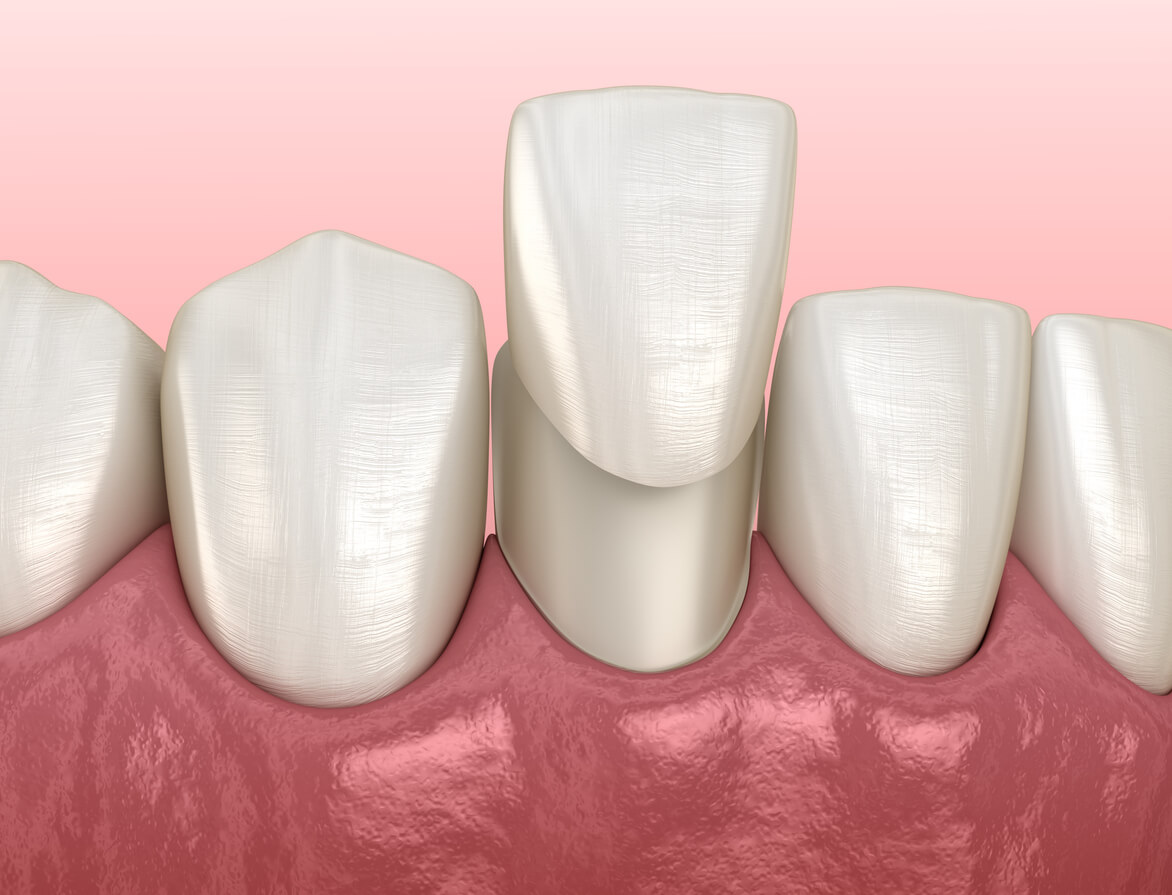
Porcelain veneers are also thin shells that cover the front of the teeth, but they are made from ceramic rather than composite resin. Like composite veneers, veneers are thin shells designed to improve color, contour, symmetry, and overall appearance.
The difference is in the material and the fabrication method. Porcelain veneers are usually custom made in a dental laboratory or dental lab after your dentist prepares the tooth and takes digital scans or impressions. These custom made shells are then bonded to the surface of the tooth using a strong adhesive.
Because porcelain is harder, more stain-resistant, and made with higher quality materials, it tends to look refined for longer. That is why many patients hear that porcelain veneers longer lasting is not just marketing language. In many cases, it is true.
Why Porcelain Veneers Are Longer Lasting
If durability is your main concern, porcelain veneers usually win. Porcelain veneers longer lasting comes down to the physical properties of the material. Porcelain resists wear, staining, and surface dullness better than resin.
A good comparison is this: composite is a bit like a beautifully finished hardwood floor, while porcelain is more like tile. Both can look great. But one is more prone to scratches, scuffs, and discoloration over time. That is why porcelain veneers often extend the life of your cosmetic result.
Another reason porcelain veneers tend to last longer is how they are made. They are fabricated outside the mouth in a dental lab, where the ceramist can refine the contour, translucency, and fit with a high level of precision. That custom made approach often creates a stronger final restoration.
Composite Veneers vs Porcelain Veneers: Lifespan at a Glance
When comparing composite veneers and porcelain veneers, the biggest distinction is expected lifespan. Composite usually lasts 4 to 8 years. Porcelain veneers commonly last 10 to 15 years, and sometimes longer.
That does not mean composite veneers fail quickly. Many patients are happy with them, especially when they want to correct smaller imperfections without committing to more extensive treatment. But if you want something more durable, less vulnerable to staining, and more stable in long-term appearance, porcelain veneers are often the stronger option.
The right choice also depends on how you use your teeth. If you clench, grind, or bite into hard foods often, your cosmetic restorations take more abuse than you may realize.
What Affects How Long Veneers Last?
No matter which option you choose, veneers last longer when the conditions around them are healthy. The dentist can place beautiful veneers, but your habits and bite determine how much stress they absorb every day.
Here are the biggest factors that affect how long veneers last:
1. The Veneer Material
The most obvious factor is the veneer material itself. Composite veneers are made from a softer resin that can experience more wear, chips, and discoloration. Porcelain veneers are more durable and better at resisting stains.
This is why patients asking how long do veneers last need to know which kind they mean. The answer for composite veneers is not the same as the answer for porcelain veneers.
2. Oral Hygiene and Proper Care
Excellent oral hygiene matters. Even though veneers cover the front surface of the tooth, the underlying tooth and surrounding gums still need to stay healthy. Regular brushing, flossing, and professional cleanings help protect both the restoration and your natural teeth.
Proper care also means avoiding habits that damage the edges of veneers. If you treat them like bottle openers or nutcrackers, they will not reward you for it.
3. Tooth Grinding and Clenching
Tooth grinding is one of the fastest ways to shorten veneer life. Chronic grinding places repeated pressure on the front teeth, which can lead to chips, edge cracks, and premature wear.
If you grind at night, a custom nightguard may help extend the lifespan of both composite veneers and porcelain veneers. At Solana Smiles & Implant Center, this is especially relevant for patients who also have TMJ concerns or bite imbalance.
4. Diet and Chewing Habits
Frequent exposure to coffee, red wine, tea, curry, and tobacco can increase staining, especially with composite veneers. Biting into hard foods and hard objects like ice, pens, fingernails, or hard candies can also cause chips or fractures.
You do not have to eat like you are protecting museum glass. But smart habits matter. Cutting up very crunchy foods and not using your front teeth as tools can make a real difference.
5. The Application Process and Dentist Skill
The application process matters more than many people realize. Good bonding, proper bite adjustment, careful tooth preparation, and precise finishing all affect how long veneers last.
An experienced cosmetic dentist also knows when a patient is a poor candidate for direct bonding and when porcelain veneers or even other types of dental work may be more predictable. Sometimes what looks like a veneer case is actually better treated with orthodontics, bonding, or crowns.
Direct Composite vs Indirect Composite Veneers
Not all composite veneers are the same. Direct composite veneers are shaped and polished chairside by the dentist in a single visit. They are convenient and efficient, and they can look very good in the right hands.
Indirect composite veneers are created outside the mouth before being bonded in place. Like porcelain veneers, indirect composite veneers involve a more lab-based process, though they still use resin rather than ceramic. Some patients choose indirect composite veneers because they want more control over shape and contour than direct bonding may offer.
In certain cases, indirect composite veneers may provide improved polish and consistency over direct bonding. Still, they generally do not outlast porcelain veneers. If your top priority is long-term durability, ceramic usually remains the benchmark.
Do Composite Veneers Stain More Easily?
Yes. One of the biggest tradeoffs with composite veneers is that they are more prone to discoloration and staining over time. The resin material is more porous than porcelain, so pigments can settle in gradually.
That means a patient who drinks coffee every morning, red wine on weekends, and occasionally skips cleanings may notice dullness sooner with composite than with porcelain veneers. In some cases, polishing helps. In others, new veneers or repair may be the better move.
By contrast, porcelain veneers are more resistant to color change and tend to hold their brightness longer. If maintaining a crisp, polished, camera-ready smile matters to you, that can be a major advantage.
Do Composite Veneers Damage Natural Teeth?
When done properly, composite veneers are generally conservative. They often require minimal enamel removal, and sometimes very little reshaping at all. That can make them appealing for younger patients or for people who want a less invasive cosmetic option.
That said, every case is different. Some tooth preparation may still be needed to create space, improve bonding, or refine the final shape. The goal is always to preserve as much natural tooth enamel as possible while still achieving a stable, attractive result.
Because veneers are thin shells, they rely on good bonding to healthy tooth structure. If the underlying enamel is weak, heavily restored, or compromised, the dentist may recommend another treatment instead.
Are Porcelain Veneers Permanent?
In practical terms, yes, porcelain veneers are considered permanent because they usually require some enamel removal, and once that is done, the tooth will continue to need a restoration on that front surface.
That does not mean the veneer itself lasts forever. Even porcelain veneers may eventually need repair or replacement. But because they are bonded securely and built from a stronger material, they often provide long-term cosmetic stability.
Patients should also know that temporary veneers may be used while the final custom made shells are being fabricated. This is part of the normal process for many porcelain cases.
Who Is a Better Candidate for Composite Veneers?
Composite veneers can be a great fit for patients who want to correct smaller cosmetic issues quickly. They work well for minor chips, slight spacing, uneven edges, and subtle contour changes. They can also be useful when someone wants to test-drive a new smile before committing to ceramic.
They may also appeal to patients who want lower upfront cost and a more conservative approach to dental work. Since the composite resin material can often be adjusted or repaired, it offers flexibility that some patients appreciate.
If your goals are modest and your bite is healthy, composite veneers may be enough to create a more balanced, brighter, more natural appearance.
Who Is a Better Candidate for Porcelain Veneers?
Porcelain veneers are often better for patients who want maximum longevity, high stain resistance, and a more polished final look. They are especially useful when several front teeth need reshaping for symmetry, color correction, or more dramatic cosmetic enhancement.
If you want a long-term upgrade and do not want to think about touch-ups as often, porcelain veneers are usually the stronger option. They can create a very lifelike result because veneers are thin shells that mimic the way natural enamel reflects light.
For patients with more complex aesthetic goals, porcelain often delivers the most refined balance of strength and beauty.
How to Make Veneers Last Longer
Whether you choose composite veneers or porcelain veneers, smart maintenance goes a long way. If you want your veneers to last, consistency matters more than perfection.
To improve longevity, follow these basics:
- Practice strong oral hygiene every day
- Keep up with regular brushing and flossing
- Avoid chewing ice, hard candies, and other hard foods with your front teeth
- Do not bite hard objects like pens or packaging
- Wear a nightguard if you have tooth grinding or clenching
- Visit your dentist for exams and professional maintenance
- Address bite issues early before they create wear or cracks
These simple habits help protect both your veneers and your natural teeth.
Making the Right Choice for Your Smile
So, how long do composite veneers last vs porcelain? In most cases, composite veneers offer a shorter lifespan but a more affordable and conservative entry point. Porcelain veneers usually last longer, resist stains better, and maintain their finish more predictably.
The best option is not the one with the flashiest before-and-after photos. It is the one that fits your bite, your cosmetic goals, your budget, and your expectations for maintenance. A thoughtful consultation can help you make an informed decision instead of guessing based on internet averages.
At Solana Smiles & Implant Center, we help patients in Solana Beach, Poway, and the greater San Diego area compare treatment options with clarity. If you are considering dental veneers and want to know whether composite or porcelain makes more sense for your situation, our team can guide you through the pros, limitations, and likely lifespan of each.
A beautiful smile should not feel like a gamble. It should feel like a plan.