If you are thinking about upgrading your smile, one of the first practical questions is simple: how long do veneers last? It is a fair question, because veneers are not an impulse purchase. They are an investment in your appearance, your confidence, and in many cases, the way you feel every time you speak, laugh, or show up in photos.
The short answer is that veneers can last many years, but the exact timeline depends on the material, how they are placed, and how well you care for them afterward. Porcelain veneers usually last longer than composite options, and some patients keep them looking beautiful well beyond the average lifespan with strong oral hygiene and routine dental visits.
At Solana Smiles & Implant Center, we meet many patients from Solana Beach, Poway, and across the San Diego area who want a smile that looks natural, feels comfortable, and holds up in real life, not just in before-and-after photos. Veneers can absolutely do that, but longevity is never just about the veneer itself. It is about the whole system: your natural teeth, your bite, your gums, and the habits you bring home with you.
The Average Lifespan of Veneers
In general, porcelain veneers typically last around 10 to 15 years, and in some cases even longer. Composite veneers usually have a shorter expected lifespan, often around 5 to 7 years. That does not mean composite resin veneers are a bad choice. It simply means the material has different strengths, different maintenance needs, and often more frequent replacements over time.
Think of it like flooring in a busy home. A high-end stone tile and a well-installed laminate can both look attractive, but they do not age the same way under years of footsteps, spills, and friction. Veneers work the same way. The material matters, but so does the wear they face every day from chewing, brushing, grinding, and temperature changes.
Why Porcelain Veneers Usually Last Longer
Porcelain veneers are known for their durability, stain resistance, and natural translucency. They are custom made shells bonded to the front surface of the teeth, and they are designed to mimic the light-reflecting quality of enamel in a way that gives them superior aesthetics. For patients who want long-term cosmetic improvement, porcelain is often the gold standard.
Another reason porcelain veneers last longer is that porcelain is more resistant to discoloration from common staining substances like coffee, tea, and red wine. Composite resin can absorb stains more easily over time, which can affect the appearance even before the veneer structurally fails. So when people ask how long do veneers last, they are often really asking two questions at once: how long do they stay intact, and how long do they keep looking great.
That distinction matters. A veneer may still be bonded in place, but if it has visible wear, chipping, or discoloration, it may no longer deliver the cosmetic result you wanted in the first place.
How Composite Veneers Compare
Composite veneers can be a more conservative or budget-friendly cosmetic dentistry option, and they can produce beautiful results in the right case. They are sculpted from composite resin and bonded directly to the teeth, often in less time than porcelain restorations. For patients with minor chips, shape concerns, or small aesthetic changes, they can be a useful solution.
Still, veneer durability tends to be lower with composite veneers than with porcelain veneers. Composite material is more vulnerable to wear, staining, and small fractures. That is why patients choosing this route should go in with realistic expectations. Composite can look excellent, but it usually comes with a shorter veneer longevity timeline and a greater chance of touch-ups or frequent replacements.
If you want a closer look at the material differences, this guide on porcelain compared with composite options can help clarify what to expect.
What About No Prep Veneers?
No prep veneers appeal to a lot of patients because the name sounds easy, almost effortless. In some cases, no prep veneers can preserve more natural tooth structure because they require minimal or no enamel reduction. That can be a real advantage when the case is selected carefully.
But no prep veneers are not automatically the best choice for every smile, and they do not magically outlast traditional porcelain veneers. Their longevity still depends on case planning, bite alignment, bonding, and proper care. If a veneer is too bulky, poorly matched to the tooth, or placed on a patient with bite stress, the result may not age well no matter how conservative the concept sounds.
In other words, the phrase no prep veneers is not a promise of forever. It is just one treatment approach within cosmetic dentistry, and the right option depends on your teeth, your goals, and your bite.
The Biggest Factors That Affect How Long Veneers Last
Several factors influence veneer longevity, and some matter more than patients realize. Material quality is one of the obvious ones. High-quality porcelain, designed and bonded well, tends to be more durable than lower-grade alternatives. But the veneer itself is only part of the story.
Placement technique plays a crucial role. Even a beautiful veneer can fail early if the bite is off, the bonding is compromised, or the tooth underneath was not prepared properly. This is why choosing an experienced dentist matters so much. Veneers are thin, but they are not simple. They have to fit your smile like a tailored jacket, not like something grabbed off a rack.
Another important factor is the condition of the underlying teeth and gums. If a patient has active decay, gum disease, or unstable oral health, veneers are more likely to run into trouble. Good oral health creates the foundation for a successful outcome. Without that foundation, even the most attractive cosmetic work can become a short-term fix.
Your Daily Habits Can Shorten or Extend Veneer Lifespan
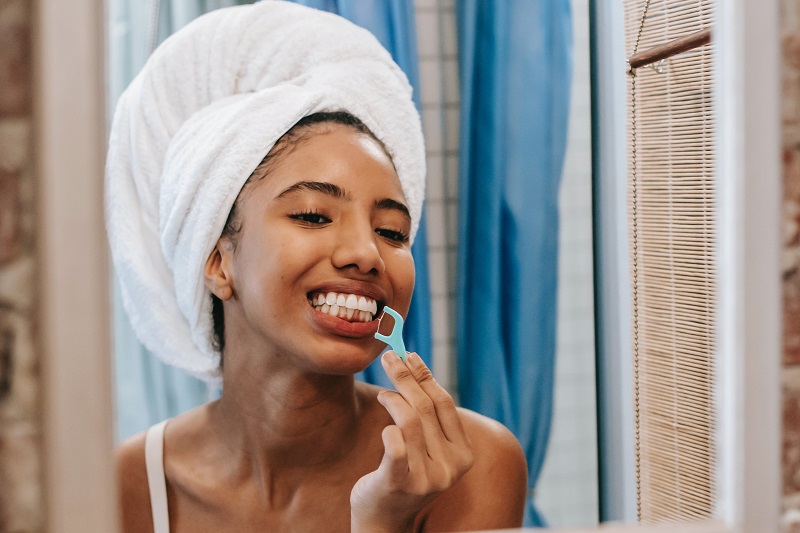
What you do every day has a direct effect on how long veneers last. Strong oral hygiene practices help protect both the veneers and the natural teeth underneath. Daily brushing, flossing, and keeping plaque under control reduce the risk of gum inflammation, decay at the margins, and other potential issues.
The opposite is also true. Nail biting, chewing ice, tearing open packages with your teeth, or using teeth as tools can place excessive force on veneers. That kind of repeated stress can lead to chipping, cracking, or debonding. Many patients do these things absentmindedly. It feels harmless in the moment, but veneers remember.
Teeth grinding is another major issue. Whether it happens during sleep or under daytime stress, grinding creates excessive pressure that can shorten the expected lifespan of veneers. If you clench or grind, your dentist may recommend a night guard to protect your smile from wear and fracture.
Oral Hygiene Matters More Than People Think
Patients sometimes assume veneers are like armor on the teeth, and that once they are placed, maintenance becomes easier. In reality, oral hygiene still matters just as much, if not more. Veneers cover the front surface, but they do not make the underlying tooth immune to problems.
Poor oral hygiene can lead to gum disease, gum recession, and decay around the edges of the restoration. Gum recession is especially important because when the gumline pulls back, it can expose the margin of the veneer and change the appearance of the smile. Even if the veneer itself is intact, the final look may no longer feel seamless.
This is why proper care includes using a non abrasive toothpaste, brushing gently but thoroughly, and keeping up with dental checkups. Healthy gums frame veneers the way a good mat frames artwork. If the frame changes, the whole presentation changes.
How Routine Dental Visits Protect Your Veneers
Routine dental care helps catch potential issues early, before they turn into expensive repairs or replacements. During regular visits, your dentist can look for small signs of wear, edge leakage, bite stress, or gum changes that might affect veneer durability.
Professional cleanings also help preserve the appearance of veneers by removing buildup and reducing the impact of staining substances. While porcelain is more stain resistant than composite resin, surrounding teeth and restoration margins can still be affected by coffee, tobacco, and red wine over time.
For patients who want to protect their investment, regular dental checkups are not optional maintenance. They are part of the treatment itself.
Signs Your Veneers May Need Replacement
Even long veneers do not last forever. Over time, some patients will need new veneers because of wear, cosmetic changes, or structural damage. One common sign is visible chipping or cracking. Another is discoloration, especially around the edges or in composite material that has absorbed stains.
You may also notice changes in fit, roughness along the surface, or sensitivity that suggests a bonding issue or exposed tooth structure. In some cases, the veneer still functions, but the appearance no longer matches the rest of the smile. Cosmetic dentistry is not only about survival. It is also about maintaining aesthetic appeal and harmony.
If you are seeing changes in older veneers, it does not always mean the whole smile needs to be redone. Sometimes one veneer can be replaced, while in other cases a more comprehensive update makes sense to keep the color, shape, and symmetry consistent.
Can Veneers Be Repaired Instead of Replaced?
Sometimes, yes. Minor chipping, small surface imperfections, or limited bonding issues may be repairable, especially with composite material. But not every veneer can or should be patched. If the damage affects the fit, the bite, or the overall appearance, replacement may be the better long-term decision.
This is one reason patients should avoid delaying an evaluation when they notice something off. A tiny edge issue can become a bigger fracture if it is exposed to repeated chewing forces. Addressing potential issues early usually gives you more options and better outcomes.
If you are also wondering what happens if you want to reverse the decision later, this article on changing your mind about veneers explains that process clearly.
How to Make Veneers Last as Long as Possible
If you want veneers last as long as they reasonably can, the formula is not glamorous, but it works. Maintain consistent oral hygiene. Avoid hard foods that put sudden stress on the edges. Do not use your teeth to open packages. Wear a night guard if you grind. Keep up with routine dental visits. And pay attention if something feels different.
Dietary habits matter too. Frequent exposure to hard foods, acidic drinks, and staining substances can affect both the restorations and the surrounding teeth. That does not mean you need to live like a monk. It just means your smile will age better if you treat it like something valuable.
The patients who get the most from veneers are usually not the ones chasing perfection. They are the ones who understand maintenance. A smile makeover is a little like buying a beautiful car near the coast. The shine is real, but if you never wash it, protect it, or service it, time will show up early.
Choosing the Right Veneer Treatment for Long-Term Results
Not all dental veneers are the same, and not every patient needs the same approach. Some people are ideal candidates for porcelain veneers because they want maximum longevity, natural appearance, and stain resistance. Others may benefit from composite veneers for smaller cosmetic changes or a more conservative starting point.
The right plan depends on different types of concerns: tooth shape, enamel condition, bite function, gum health, and whether you have habits like teeth grinding or nail biting. It also depends on what kind of result you want. Some patients care most about durability. Others care most about preserving enamel. Most want both, and the art is finding the balance.
That is where thoughtful planning matters. A veneer case should never feel rushed or cookie-cutter. The best results come from looking at the full picture of your smile, not just the one tooth that bothers you in the mirror.
For patients exploring dental veneers, the goal is not just to place restorations that look good on day one. It is to create a smile that still looks natural, balanced, and healthy years down the line.
So, How Long Do Veneers Last in Real Life?
In real life, porcelain veneers often last 10 to 15 years and sometimes longer, while composite veneers usually last closer to 5 to 7 years. No prep veneers can also last well when used appropriately, but their success still depends on the same fundamentals: planning, bonding, bite, and proper care.
So if you are asking how long do veneers last, the honest answer is this: long enough to be a meaningful investment, but not so long that you can ignore them. Veneers reward patients who take care of their oral health, protect their bite, and work with a skilled dentist who understands both function and aesthetics.
At Solana Smiles & Implant Center, we believe a beautiful smile should not feel fragile. It should feel like you, only more confident. And when veneers are designed well and cared for properly, that confidence can last for many years.